
Why Your Invisalign Cost Differs From Your Friend’s Treatment Plan
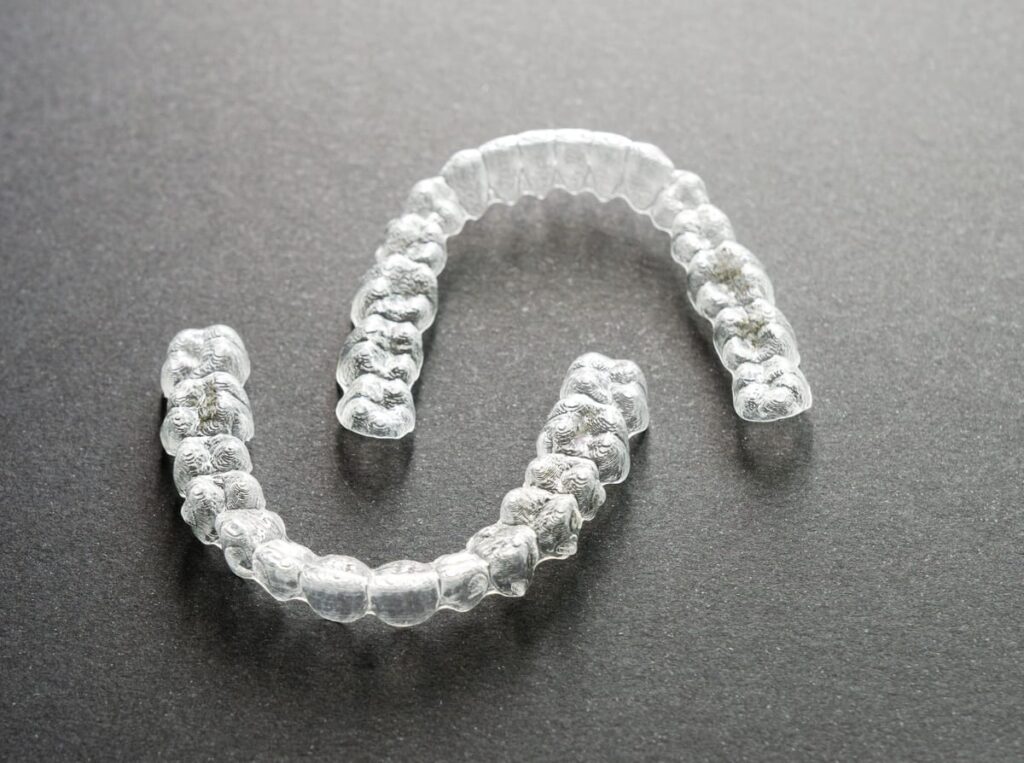
You and your friend both started Invisalign around the same time. Yet your treatment plans look completely different. If you’ve ever wondered why your Invisalign cost differs from your friend’s treatment plan in Houston, you’re not alone. This is one of the most common questions Dr. Claudia Noufele hears at Adonia Dentistry Houston. The answer comes down to several key factors — and understanding them helps you make a more informed decision about your smile.
Why Invisalign Is Not a One-Size-Fits-All Treatment
Every patient’s mouth is unique. Two people can walk in with what seems like the same spacing issue and still need very different treatment approaches. Invisalign is a customized orthodontic system. It is built around your specific bite, jaw alignment, and tooth positioning.
Some patients need minor adjustments. Others require more complex repositioning of multiple teeth. The more complicated your case, the more planning and resources go into your treatment. That difference in complexity is one of the biggest drivers behind cost variation.
Even if your smile looks similar to a friend’s, the underlying bone structure and tooth movement needed may differ significantly. Dentists and orthodontists assess your case using digital scans, X-rays, and 3D modeling. Those assessments reveal details the naked eye simply cannot see.
How Case Complexity Affects Your Invisalign Cost in Houston
Case complexity is the single most influential factor in determining your Invisalign treatment cost. Mild cases — like minor crowding or small gaps — typically require fewer aligners. More involved cases involving overbites, underbites, or significant crowding demand a longer treatment timeline.
A longer timeline means more aligner sets. More aligner sets means higher production costs. Those costs are reflected in what you ultimately pay for treatment. This is a core reason why your Invisalign cost differs from your friend’s treatment plan in Houston.
Dr. Claudia Noufele evaluates each patient’s case individually. There is no shortcut to that evaluation. A thorough assessment protects you from underestimating what your treatment actually requires.
- Mild cases: Minor crowding or spacing with limited tooth movement needed
- Moderate cases: Multiple teeth require repositioning over a medium timeline
- Complex cases: Bite correction, jaw alignment, and significant crowding addressed together
- Relapse cases: Patients who had prior orthodontic treatment and need retreatment
The Role of Aligners, Refinements, and Treatment Length
Each Invisalign treatment plan includes a specific number of aligner trays. You wear each tray for about one to two weeks before moving to the next. The total number of trays in your plan reflects the amount of movement your teeth need to achieve the desired result.
Refinements are additional aligner sets created mid-treatment. They fine-tune your results when teeth haven’t moved exactly as planned. Not every patient needs refinements, but many do. When refinements are added to your plan, they can influence your overall investment.
Some Invisalign packages include refinements within the original plan. Others charge separately depending on the scope of work needed. This is another reason two patients in Houston can start with similar-looking cases and end up with different costs.
- Total number of aligner trays in your customized plan
- Whether refinements are included or billed separately
- How well your teeth respond to each stage of movement
- The length of your overall active treatment period
- Whether retainers are factored into the original quote
Additional Factors That Influence Your Treatment Investment
Beyond case complexity and aligner count, several other factors shape what you pay. The experience and credentials of your provider matter. Dr. Claudia Noufele brings specialized training and years of clinical experience to every case at Adonia Dentistry Houston.
Technology also plays a role. Practices that use advanced digital scanning and 3D treatment planning tools invest in equipment that improves accuracy. That accuracy helps produce better outcomes and may reduce the need for added refinements later.
Your dental health before starting Invisalign also matters. If you need preparatory work — like treating gum issues or restoring damaged teeth — those are separate from your aligner costs. For example, patients who need Dental Crowns And Bridges Houston before beginning orthodontic treatment will have that work priced independently. Similarly, patients missing teeth may need to explore Dental Implants Houston as part of their broader treatment plan.
Post-treatment retainers are another consideration. Retainers maintain your results after active treatment ends. Some providers include them in the original plan. Others present them as a separate cost after treatment completion.
What You Should Ask During Your Invisalign Consultation
Going into your consultation prepared helps you understand exactly what your plan includes. Ask your provider clear questions about the full scope of your treatment. This prevents surprises and helps you compare options accurately.
Here are important questions to raise during your consultation:
- How many aligner trays does my plan include?
- Are refinements included, or are they billed separately?
- Is a retainer included at the end of treatment?
- What happens if my teeth don’t respond as expected?
- What technology do you use to plan and monitor my case?
At Adonia Dentistry Houston, Dr. Claudia Noufele walks every patient through the details of their customized plan. Transparency is a priority from the very first visit. You deserve to understand what you’re committing to before treatment begins.
Making Sense of the Cost Comparison With Your Friend
It can feel frustrating when your friend’s Invisalign cost seems lower than yours. But comparing plans without knowing the full details is rarely accurate. Your friend’s case may be simpler. Their provider may have included fewer refinements. Their plan may not cover post-treatment retainers.
When you understand the variables involved, the comparison starts to make more sense. Your treatment plan was built for your teeth — not theirs. Paying for a plan tailored to your actual needs protects the long-term health and appearance of your smile.
Choosing Invisalign is a meaningful investment in yourself. The goal is not to find the cheapest plan. The goal is to find the right plan — one designed with precision, overseen by an experienced provider, and built to deliver lasting results.
Start Your Invisalign Journey at Adonia Dentistry Houston
Understanding why your Invisalign cost differs from your friend’s treatment plan in Houston starts with a personalized consultation. Dr. Claudia Noufele and the team at Adonia Dentistry Houston are here to evaluate your unique case and walk you through every detail of your customized plan. Book Now to schedule your appointment with our team.
Frequently Asked Questions
Why does my Invisalign cost more than my friend’s even though our teeth look similar?
Visible similarity doesn’t mean identical dental needs. Your bite, jaw alignment, bone structure, and the amount of tooth movement required all influence cost. A thorough clinical assessment reveals what the eye cannot see. These internal differences are what truly drive the variation in treatment plans.
Does a longer Invisalign treatment always mean a higher cost?
Generally, yes. A longer treatment involves more aligner trays and potentially more refinements. Both of those factors influence the total investment. However, the relationship between timeline and cost depends on how your provider structures their pricing and what is included in your plan.
Are Invisalign refinements always necessary?
Not every patient requires refinements. Refinements are additional aligner sets created when teeth need further fine-tuning after the initial series. Some patients complete treatment without them. Others benefit from one or more rounds of refinements to achieve the best possible outcome.
How do I know if I’m a good candidate for Invisalign?
A consultation with Dr. Claudia Noufele at Adonia Dentistry Houston is the best way to find out. She will assess your bite, teeth, and overall oral health to determine whether Invisalign is the right fit for your goals. Some cases may require alternative orthodontic approaches.
Can existing dental work affect my Invisalign treatment plan?
Yes. Existing crowns, bridges, implants, or other restorations can influence how aligners fit and how teeth move during treatment. It’s important to disclose your full dental history during your consultation. Dr. Noufele will factor all of that into your personalized treatment assessment.
