
Dental Implants Lifespan in Houston, TX
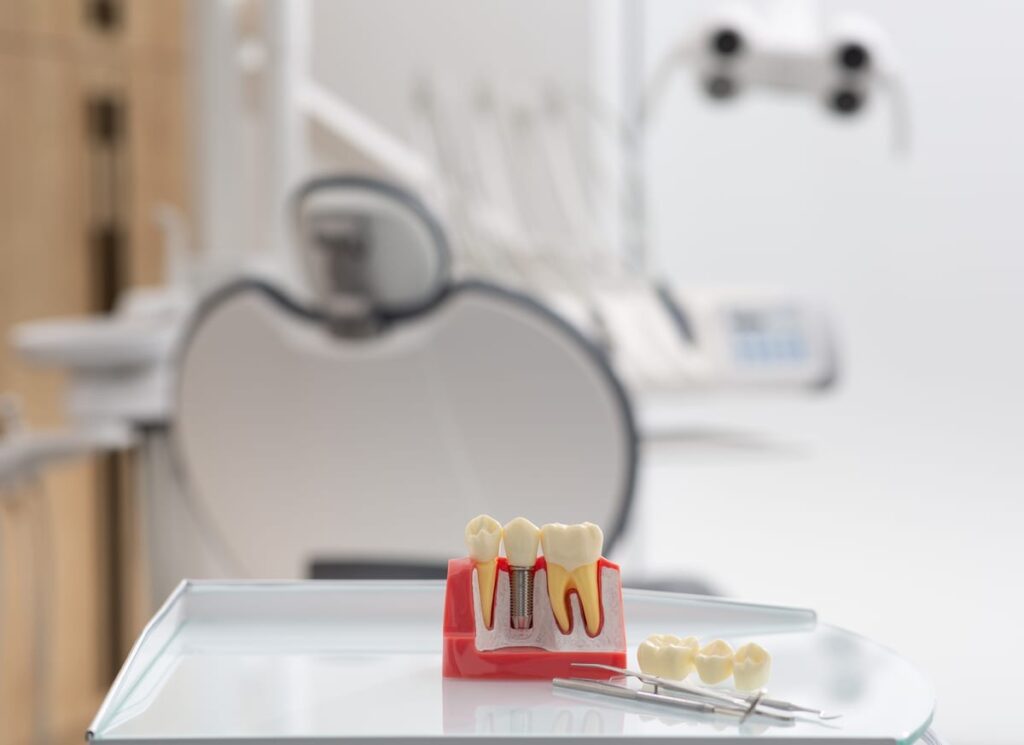
Many Houston patients ask the same important question: can dental implants really last your whole life? It is one of the most common questions Dr. Claudia Noufele hears at Adonia Dentistry Houston. The short answer is yes — with the right care, dental implants can last decades, even a lifetime. But longevity depends on several key factors that every patient should understand.
This article explores what drives implant lifespan, what can cut it short, and exactly what you can do to protect your investment. Whether you are considering implants or already have them, this guide is for you.
How Long Do Dental Implants Actually Last in Houston?
Dental implants are designed to be a permanent tooth replacement solution. The titanium post fused into your jawbone can last a lifetime with proper care. Clinical studies show implant survival rates above 95% at 10 years. Many patients enjoy fully functional implants well into their 70s and 80s.
The implant itself — the metal root — is the most durable part. The crown placed on top typically lasts 10 to 15 years before needing replacement. That crown can wear down from daily chewing and grinding. With good habits, you can extend its lifespan significantly beyond that average.
So when patients in Houston ask can dental implants really last your whole life, the honest answer depends on two things. First, the quality of the placement procedure. Second, the quality of your daily home care and professional maintenance.
Factors That Shorten Dental Implant Lifespan
Understanding what damages implants helps you avoid costly problems. Several habits and health conditions are known to reduce implant longevity. Being aware of these risks lets you take action early.
Here are the most common factors that shorten implant lifespan:
- Smoking or tobacco use — Tobacco restricts blood flow and slows healing. It dramatically increases implant failure risk.
- Poor oral hygiene — Bacteria buildup leads to peri-implantitis, a gum disease around the implant. This can cause bone loss and implant failure.
- Teeth grinding (bruxism) — Constant grinding puts excessive pressure on implants. This can loosen or crack the crown over time.
- Uncontrolled diabetes — High blood sugar impairs healing and increases infection risk around the implant site.
- Bone loss — Insufficient jawbone density compromises the implant’s stable foundation. Bone grafting may be needed before placement.
- Skipping dental visits — Missing routine checkups allows small problems to become serious ones.
Many of these risk factors are manageable. Dr. Noufele evaluates each patient’s health profile before recommending implants. This personalized approach helps identify and address risks before they become problems.
Proven Ways to Make Your Dental Implants Last a Lifetime
The good news is that most patients have significant control over implant longevity. A few consistent habits go a long way toward protecting your smile. Think of implant care as a long-term investment in your overall health.
Here is what Dr. Claudia Noufele recommends for maximizing implant lifespan:
- Brush twice daily — Use a soft-bristled toothbrush around implant sites. This removes plaque without scratching the crown surface.
- Floss every day — Floss carefully around the implant base. Special implant floss or a water flosser works especially well.
- Attend regular cleanings — Professional Dental Exams And Cleanings remove buildup that brushing misses. These visits also catch early signs of peri-implantitis.
- Wear a night guard — If you grind your teeth, a custom guard protects both implants and natural teeth. Ask Dr. Noufele if you show signs of bruxism.
- Quit smoking — Stopping tobacco use significantly improves implant survival rates. Your care team can recommend supportive resources.
- Eat a balanced diet — Avoid very hard foods like ice or hard candy that can crack crowns. Choose nutrient-rich foods that support bone and gum health.
Consistency is the key word here. Patients who follow these steps reliably tend to enjoy the longest-lasting results. Small daily actions add up to decades of healthy function.
The Role of the Implant Crown and Supporting Structures
Understanding implant anatomy helps clarify why maintenance matters so much. A dental implant system has three main parts. The titanium post acts as the tooth root. The abutment connects the post to the crown. The crown is the visible tooth replacement on top.
The crown endures the most daily wear. It takes the full force of chewing, biting, and grinding. That is why crowns typically need replacement sooner than the post itself. Protecting the crown extends the life of the entire restoration.
When a crown does need replacement, the existing implant post can often remain intact. This means the procedure is much simpler than starting over. Think of it like replacing the cap on a post that is already firmly set. Dental Crowns And Bridges crafted with high-quality materials will naturally last longer under the same conditions.
The surrounding gum and bone tissue also play a vital role. Healthy tissue supports the implant from all sides. Any recession or bone loss around the implant changes the forces acting on it. Catching these changes early during checkups makes a real difference.
Who Is a Good Candidate for Long-Lasting Implants in Houston?
Not every patient starts with the same implant success odds. Ideal candidates have healthy gums and adequate jawbone density. They are committed to good oral hygiene and routine dental visits. Non-smokers with well-controlled health conditions tend to see the best long-term outcomes.
However, many patients who fall outside that ideal profile can still succeed with implants. Bone grafting can build up jawbone volume before placement. Gum disease treatment can restore a healthier foundation. Dr. Noufele takes time to evaluate every patient individually and discuss realistic expectations.
Houston patients of all ages have successfully received implants at Adonia Dentistry. From young adults who lost a tooth to injury, to older patients replacing failing teeth, implants can work for a wide range of situations. A thorough consultation is always the first step.
Conclusion: Your Implants Can Last — With the Right Support
So, can dental implants really last your whole life in Houston? Absolutely — for many patients, they do exactly that. The titanium post can fuse permanently with your jawbone and remain stable for life. With routine professional care and consistent home hygiene, your implants can serve you for decades.
Dr. Claudia Noufele and the team at Adonia Dentistry Houston are here to guide you every step of the way. From placement to long-term maintenance, your success is the goal. Book Now to schedule your appointment with our team.
Frequently Asked Questions
Can dental implants really last a lifetime?
Yes, the titanium implant post can last a lifetime for many patients. The crown on top typically lasts 10 to 15 years before needing replacement. With good oral hygiene, routine dental visits, and healthy habits, your implants can remain functional for decades. Individual results vary based on health, habits, and bone density.
What is the biggest threat to dental implant longevity?
Poor oral hygiene is the leading cause of implant failure. It leads to peri-implantitis, which is a bacterial infection around the implant. Smoking is the second biggest risk factor. Both of these significantly reduce implant survival rates and can be managed with lifestyle changes.
How often should I visit the dentist if I have implants?
Most patients with dental implants should visit for professional cleanings and exams at least twice a year. Some patients with higher risk factors may need more frequent visits. Your dentist will recommend a schedule based on your specific health profile and implant history.
Are dental implants worth it for long-term tooth replacement?
Dental implants are widely considered the gold standard for tooth replacement. They preserve jawbone, look natural, and function like real teeth. Unlike removable options, they do not shift or require adhesives. For most patients who are good candidates, implants offer excellent long-term value.
What happens if my implant crown wears out?
If your crown wears down or breaks, it can usually be replaced without disturbing the titanium post below. This is a simpler and more affordable procedure than full implant replacement. Your dentist will evaluate the post and surrounding tissue to confirm it is still stable. Crown replacement extends the functional life of your existing implant system.
